Tim Ostdiek

Blowin' in The Wind, A Cultural Resource 

In this week’s blog post, I will be breaking down Bob Dylan’s song Blowin’ in the Wind as a cultural resource, analyzing what it meant to cultural movements of the '60s, and what it means in 2023. The song was released on his 1963 album, Freewheelin’ Bob Dylan. The song's lyrics are a series of rhetorical questions relating to civil rights, war, and spirituality ending in the refrain “The answer, my friend, is blowin’ in the wind The answer is blowin’ in the wind.” The recording features only his voice and an acoustic guitar, leaving space for the poignancy of the lyrics to shine through.

The song didn’t so much reimagine an alternative to the social and political conditions of the 60s as it did provide the listener an opportunity to do that in their own mind. Lyrics like “How many years can some people exist before they’re allowed to be free? Yes, n’ how many times can a man turn his head pretending he just doesn’t see?” are imaging a world in which civil rights exist and everyone believes in human’s rights to be free. The song goes on to ask “How many times must the cannonballs fly Before they’re forever banned?” The song was released in 1963 so it is likely referring to the Vietnam War, however, it is a question that can be asked at any age and still have potency.

The song was actively imagining and asking for systemic change, both in its message and in the significant moments it was sung. This NPR article by Brian Naylor recounts  “Dylan sang it himself at a voter registration rally in Greenwood, Mississippi, in the spring of 1963. Peter, Paul & Mary performed it on the steps of the Lincoln Memorial in August of that year, a few hours before Martin Luther King delivered his `I Have a dream speech.“

Though much can be read into the meaning and intention of the song. It is written in a way that some have described as passive, using rhetorical questions and refraining from demanding change, rather than waiting for it. In this NPR piece titled 'Blowin' In The Wind' Still Asks The Hard Questions, Peter Yarrow from Peter, Paul, and Mary said “You can hear in this a yearning and a hope and a possibility and a sadness and sometimes a triumphal proclamation of determination. The answer is blowin' in the wind means we will find the answer."

Though the song came out in the 60s, it was written in such a way that one can listen to it in 2023 and feel similar emotions they might have felt in 1963. There are certainly elements of the world this song paints that are reflected in current conditions. Though struggles for justice and civil rights may have come a long way, the question “How many years can some people exist Before they’re allowed to be free?” is absolutely still worth asking. You could hear the lines “How many years can a mountain exist Before it’s washed to the sea?” and think of climate change or hear “How many deaths will it take till he knows that too many people have died?” and think of our struggles to see the danger and take appropriate actions to slow the spread of COVID 19.

In Sing Out! magazine in 1962, Bob Dylan said "There ain't much I can say about this song, except the answer is blowin' in the wind. It ain't no book or movie or TV show or discussion group, man. It's in the wind." Writer David Hajdu says “Its ambivalence is part of the song's appeal.” Be it ambivalence, metaphor, or truth the song holds a true power.

As we near the end of this Digital Media Literacy class and I reach the end of my college career I find myself in a jumbled state when I think about my major, Mass Media and Communications. We live in a media landscape filled with deafening noise. There is little that hasn’t been said or tried to be sold. There is too much content to consume and an endless stream of perspectives I may never understand. This leads me to a defining question of who am I going to be as a (now slightly more educated) grain of sand blowin’ in the media landscape? I don’t want to add unnecessary noise. I want to use my knowledge and skills for good, which is itself an idea constantly blowin’ in the wind.

I reflect on this song as a guide, ask important questions even if they are impossible to answer, be a proponent for human rights, be honest even when it is painful, seek humanity in everything, and hold tight to the fact that everything will end up as dust blowing in the wind. 

Image by Oliver Hihn. Accessed at Unsplash.com.
10/01/2023

  • Share
    Blowin' in The Wind, A Cultural Resource

    Share link

Harmful Generalizations about Musicians 

This week’s blog post is about stereotypes and generalizations made about musicians and artists. As with any passion or profession, it can be easy to make assumptions about the challenges that come with being an artist, many of which may be rooted in real-life experiences, but often portray a caricature of a starving artist that lacks context and a deeper understanding. I have been a performing songwriter for the past 10 years and in that time I’ve become accustomed to certain generalizations or assumptions being made about musicians.

The media construction around musicians and artists that I will be addressing is that they struggle with addiction, they are not trustworthy in relationships, and that they are “starving artists.” Of course, these can all be true in certain cases and there are aspects of making a career in music that can challenge people, often times these generalizations are simply not true. 

Musicians are often pegged as “difficult to date.” Perhaps the most famous case of this is Taylor Swift. A lot of media attention is dedicated to her love life and her “many exes.” While her work does occasionally address relationships, we don’t scrutinize the relationships of other professions in quite the same way we do musicians and artists. While there are aspects of musician life that can make relationships difficult, such as travel, difficult hours, and attention, these are challenges in many other professions that don’t deal with the same stereotypes. This article in Yahoo speculates about Swift’s dating life, and suggests she moves on too quickly from relationships. 

Another dangerous generalization about musicians that is often perpetuated by the media is that successful artists often have to be miserable, the “tortured artist” cliche. While the well-being and mental health of musicians is as wide as any other profession, the idea that an artist needs to be heartbroken or unwell to make good work is both untrue and harmful. In fact this article in MTV.com studies the relationship between our mood and creativity. In the article cognitive scientist, John Kounios said “"Generally, there's a lot of research over many years that shows that people are more creative when they're in a positive mood, people are better at solving problems that require creativity; they're better at artistic things." As a songwriter, this also resonates with me. Even when I write sad songs, the process of doing so brings joy and satisfaction. The “tortured artist” cliche could not me less true in my life.

The stereotype of a “starving artist” can be a double-edged sword. While it does often acknowledge that artists can sacrifice a lot for their work, it often times draws unbiased conclusions on the monetary outcome of that work. It is a harsh reality that making money from the arts is challenging and often times people expect music or art to be free. However, the music industry provides many different opportunities to generate income through performing, streaming, teaching, and merch sales. Musicians can and do learn to make their music a profitable business.

These constructions have been mildly harmful to me in my life. Though they have not drastically affected my life, they are subtly present all the time. When meeting my partner's family I was often asked questions about my income, lifestyle, and health in relation to my career. I can’t say whether or not I would have to face these questions if I had a different career, but I tend to think I would not. These constructions are something I have to continually work against in my life as an artist.

09/29/2023

  • Share
    Harmful Generalizations about Musicians

    Share link

The Persuasion Tactics of Birtherism 

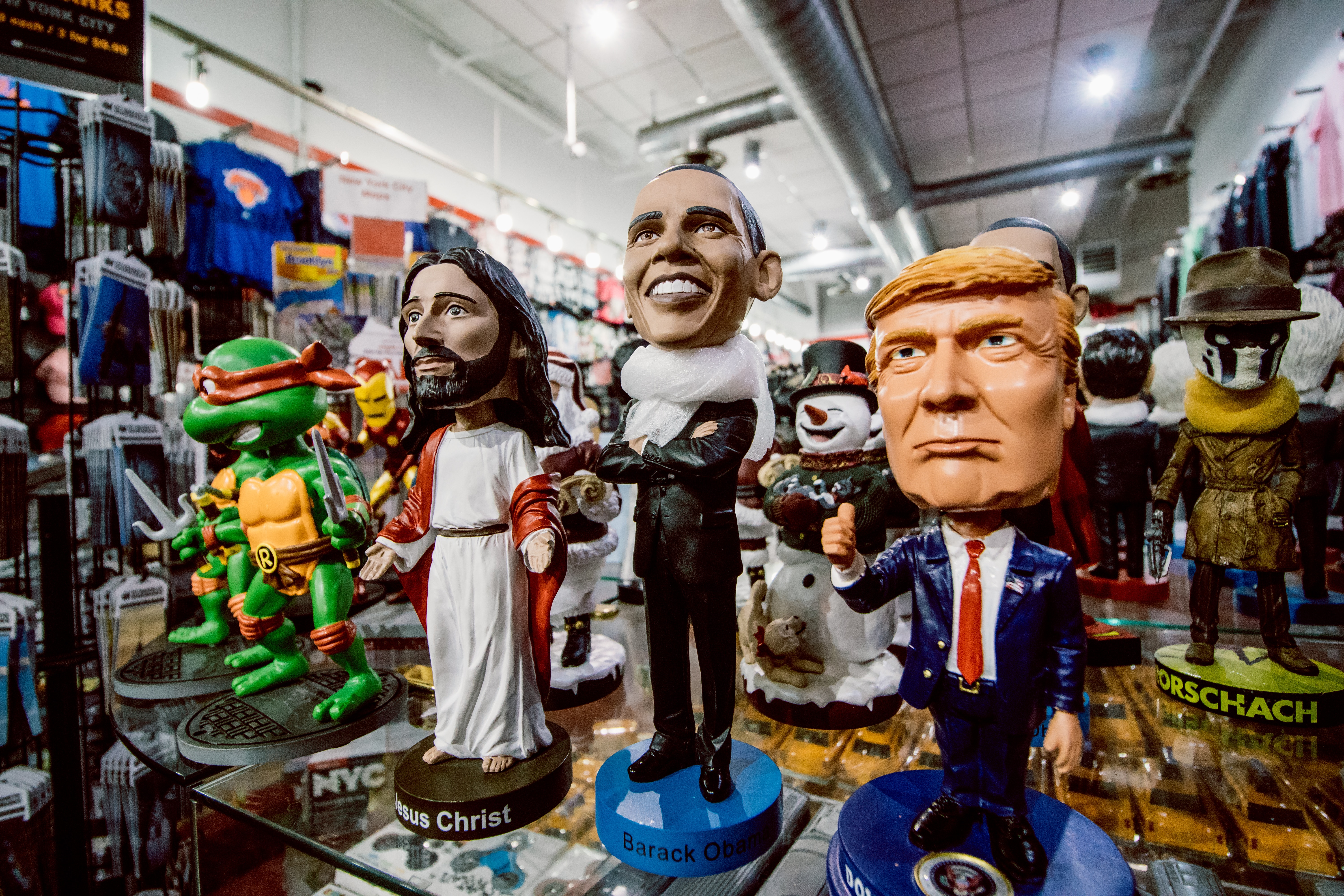
In today's blog post, I will be discussing birtherism. It is focused on the 44th president of the United States, Barack Obama, and the false statements made that he was not born in the United States. Birtherism suggests that his birth certificate was fake and that he was born in a different country, with many suggesting he was born in Kenya. It is of course a very significant claim because Article two of the constitution claims that a President must be a naturally-born citizen of the United States. 

According to an article on time.com about the birth of the birther rumor, there is “no definitive answer” to where the idea that Obama wasn’t an American citizen originated but It began as a rumor during the 2008 democratic primaries when Obama was running against Hilary Clinton for the Democratic nomination. However, the idea got the most attention in 2011 when Donald Trump said "I want him to show his birth certificate. There is something on that birth certificate that he doesn’t like," as can be viewed on this 2011 episode of The View on YouTube. At the time, Trump was considering a run for president and many far-right republicans joined him in questioning where Obama was born. Ultimately Trump did not run for president against Obama in 2008, but of course won the 2016 presidential election on similar rhetoric. 

While researching Birtherism, I was reminded of “Language of Persuasion” in this week’s learning materials. There are many techniques mentioned in that piece that are at play in Birtherism, most notably Fear as it “uses something disliked or feared by the intended audience to promote a solution.” In this case, Donald Trump falsely claimed that Obama was not born in the US, which would disqualify him from being president and make him a liar, and presented himself as the “solution” in the form of a new president.

Photo by Stephen Mayes accessed at unsplash.com

It also brought to mind what we learned about propaganda. I thought Garth Jowett and Victoria O'Donnell’s definition of propaganda as quoted in What is Propaganda? on Mind over Media brought clarity to what Donald Trump’s intention may have been when attempting to spread birtherism; “Propaganda is the deliberate, systematic attempt to shape perceptions, manipulate cognitions, and direct behavior to achieve a response that furthers the desired intent of the propagandist.” With these attempts to manipulate citizens to believe what he was falsely accused of Obama was clearly positioning himself as a future president.

It begs the question, how successful was the birtherism movement in persuading American voters? This study posted on sciencedirect.com and conducted through Electoral Studies in Volume 40 in December 2015 analyses public opinion around birtherism and says “According to surveys between 2008 and 2012, between 15 and 45 percent of Americans subscribed to so-called “birther” beliefs.” The study suggests that “Conservatives and Republicans are more likely to hold birther beliefs than liberals and Democrats,” and that one's feelings towards Barack Obama likely inform whether they believe he was born in America or not.

In April of 2011president Obama released his long-form birth certificate. This statement by his advisor, Dan Pfeiffer claimed that, “It may have been good politics and good TV, but it was bad for the American people and distracting from the many challenges we face as a country.” Then in September 2016, Trump conceded that Obama was indeed born in  America. In this video on the Associated Press’s YouTube Channel, Trump claims,“I finished it.”

Despite Obama releasing his own birth certificate and Trump admitting Obama was born in America, there are still factions of Americans that believe he was not born in the U.S. When it comes to politics, we are often so divided that we will believe anything negative about the other side without any evidence. The persuasion tactics used by Trump and other Republicans proved to cut so deep that nothing could convince some that Obama was born in Hawaii. 

09/20/2023

  • Share
    The Persuasion Tactics of Birtherism

    Share link

Fact-Checking Burning Man 

If you’re like me, hundreds of news stories pass before your eyes while blindly scrolling through your social media feeds every day. Most aren’t interesting, some you don’t believe, some you hope are true, and some you pray are not true. With so much information being put in our feeds, it’s important to learn how to fact-check. 

One news story that has been littered with false information is the events at this year’s Burning Man event. This article on Reuters Fact Check Debunks the story of cannibalism at the event.

Over the past week, I have been seeing more news stories about the disastrous Burning Man event in Nevada so this story intrigued me. According to the Reuters article, screenshots on X emerged showing “reports of Ebola and widespread cannibalism.” The article cites a Burning Man spokesperson claiming the reports are “unequivocally fake.” They ultimately concluded that there was no evidence of ebola and widespread cannibalism.  

This New York Times piece gives a more factual report of what transpired at the event. This is news coverage because it focuses on the details of the story. It references quotes from a local sheriff along with event attendees, and cites relevant information about Burning Man. The journalists who wrote the story, Michael Levenson and Amanda Holpuch, focus on the facts of the event and leave out their personal opinions and speculation. The story tells of the chaotic scene that unfolded as thousands of people tried to leave the festival in the “remote Nevada desert." The story provides important contact such as the local sheriff’s experience at past events and how much cleanup it entails. The story also addresses false reports of Ebola viruses quoting Sheriff Jerry Allen “There is no validity to any reports regarding an Ebola outbreak, or any other disease.” 

Another lens to view this story through is this Opinion piece by Cory Doctorow also in the New York Times. The article is clearly labeled “opinion” and the author tells of his personal experiences at Burning Man. They paint a picture of a “typical” Burning Man experience in contrast to this year’s event where “The mud stuck to your shoes and turned your feet into tragicomic irregular spheres that grew heavier with each step.” He goes on to share interactions with fellow “Burners” and documents the process in which the rain made the event unsafe. He admits he may reconsider regularly attending the event and comes to the conclusion that “We’re all going to have to learn some MacGyver skills. We’re all going to have to cultivate patience and solidarity.”

Both of these stories provide valuable information about the event and what actually happened. It is important to find credible, nonsensational, factual reports on important events. Especially when there are so many false stories being spread as there was with this year’s Burning Man event. It is also a valuable context to read opinion pieces from individuals close to the story and well-informed. 

09/13/2023

  • Share
    Fact-Checking Burning Man

    Share link

What information do I share in one day? 

This is a 24-hour analysis of the media I interacted with and what kind of information and data I was sharing while doing so. I did this analysis on September 6th, 2023 which was a fairly standard workday for me. Going into this experiment I was a little anxious for what I might find. I know I interact on the internet for a good portion of the day so I fear I may be sharing quite a bit of data and personal information on a typical day. Here we go…

4:30 a.m.: I woke up to my first alarm and before the next alarm went off a few minutes later I quickly checked my email inbox. Since so much of my digital life is stored on Google, I try to regularly update my password on Gmail and keep my security settings as up-to-date as possible. I opened a promotional email from Musician's Friend promoting a guitar pedal that I had been researching the day before. Opening this email tells them what times of day are best to send me a targeted email, and confirms that I am interested in electric guitar pedals.

4:50 a.m.: I always listen to music or a podcast on Spotify when I drive to work. On this drive, I was listening to my Release Radar playlist which the Spotify Algorithm generates based on my listening habits. Spotify tracks when I'm listening, what I listen to, and for how long. 
5 a.m. to 10 a.m.: I am working on the floor at Starbucks. I'm not using my phone but it is in my pocket keeping track of how many steps I am taking, relating to my biometric data. I agree to share this information and generally consider it to be helpful to know how many steps I take throughout the day, however, I have begun to question if I do want to share this information.

10:30 a.m.: I am on my 30-minute break and while eating bacon egg bites I will browse Twitter on my phone. Being aware of the many recent changes to Twitter I decided to add to my to-do list “update password and security settings on Twitter.” My Twitter feed is full of news about my favorite soccer teams. I liked a tweet about how many famous people went to see Messi play against LAFC which surely prompted Twitter to send me more soccer content.

2:00 p.m.: On my way home from work I continue listening to my Release Radar playlist. I favored a song called Drunken Angel by Norah Jones and promptly listened to it again because I loved it. I like to give this kind of information to Spotify because it usually puts more songs that I like on my auto-generated playlists.

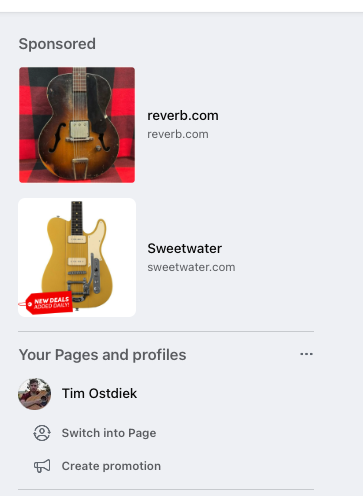
2:15 p.m.: I open my laptop for the first time in the day and open tabs for my Gmail, Facebook, Instagram, and NPR to catch up on news and my social accounts while eating lunch. Outside of browsing Twitter and checking emails, the majority of my online interactions happen on my laptop, which I likely information that I am sharing. My Facebook feed mostly consists of posts from my friends and family. Though, as is usually the case, there are several sponsored ads trying to sell me guitars and other music equipment. Though I try to resist, most days I will click on an ad for a guitar which just tells Facebook and Meta to keep showing me guitars because I will definitely buy one soon. Today I click on the sunburst archtop in the picture below, but resist spending money I don't have for at least one more day.  As I browse NPR I also consider that my choice of news outlet can help point to what my political interests might be. 


3:30 p.m.: I exit out of all social media accounts, put my phone away, and open Canvas to start working on my guitar class at ASU. As I log into Canvas I am prompted to complete the 2-step authentication on Duo. With all the important personal information stored on MyASU and Canvas, I try to regularly update my passwords to those accounts.

4:00 p.m.: An assignment in my guitar class is to find tabs or sheet music online for three songs I would want to learn. The professor suggested we use Ultimate Guitar Tabs. I started searching for songs by Paul Simon, The Avett Brothers, and Brandi Carlile. This gave Ultimate Guitar Tabs a lot of information about what kind of music I like and prompted the algorithm to give me suggestions for other songs. 

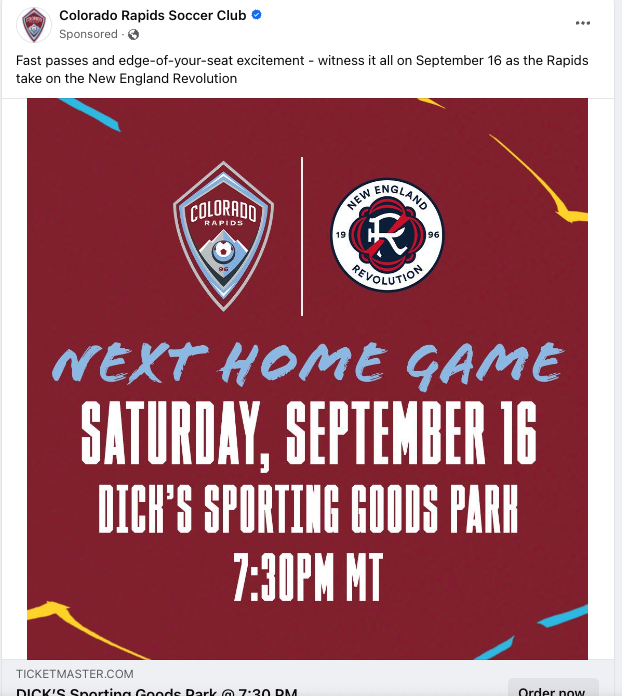
5:30 p.m.: Once I finished my classwork for the day I checked my email and Facebook one more time before shutting down my laptop. I noticed an ad on Facebook I hadn't seen before, promoting tickets to an upcoming Colorado Rapids game. Though I haven't expressed much interest in the Colorado Rapids, I engage with a lot of soccer content online and I have my current town listed as Longmont, CO so it makes a lot of sense to see this ad.


6:00 p.m.: My partner and I start to cook dinner. On nights when we are both off we try to limit time on our phones, but I do have Spotify on playing a new album by Ben Folds that I saved to a playlist. Saving a full album gives Spotify more valuable information about what music I want to hear. We are able to resist eating dinner in front of the TV on this particular evening because we finally purchased a new pendant light to go over the kitchen table. However, this purchase certainly gave Amazon a hint into our love for lamps and mid-modern designs.


9:00 p.m.: My partner and I watch TikTok videos as we fall asleep. We watch them on her phone so I am not as actively sharing data. However, I am fascinated by how quickly TikTok finds out exactly what we want to see. On this particular evening we were fed a video of a goofy man testing out public faucets to see if water comes out and when it does he gets so excited. We watch one of these videos on repeat, follow his profile, and next thing you know TikTok has fed us three more videos just like this one, with a similar and specific form of comedy.

Reflections and findings

I was generally unsurprised by my activity throughout the day however I was definitely concerned by how much the internet knows me and what I like. I would say that I am reconsidering how I interact with media for a couple key reasons. Most importantly doing this exercise has made me realize how much information is gathered about me on so many different sites. I want to be as careful as possible about keeping my accounts secure and keeping my security settings as up-to-date as I can.

The more interesting reason for reconsidering my media use is that I don't want social media sites to play such a pivotal role in what I consume. I've realized that Spotify's algorithms have figured out exactly the kind of music I like; mid-tempo, mostly acoustic, sad, earthy folk music. And While I do love this, I don't want to be pigeonholed and only ever listen to one thing. I want to expand my horizons and discover new music, ideas, comedy, and guitars to waste my money on.

Spotify, Facebook, YouTube, Netflix, and every other social media site have gotten really good at finding exactly what I like and giving me as much of it as possible. However, I've begun to consider that to be a well-rounded human perhaps it would be beneficial to expose myself to things that these brilliant algorithms would never think about putting on my plate. Thus begins my quest to start confusing the algorithms. Tune in next week (if my targeted ads work) to find out how it goes.


09/07/2023

  • Share
    What information do I share in one day?

    Share link

The Impact of Net Neutrality 

In this week's blog post, I will be discussing Net Neutrality and how it affects media consumers. Net Neutrality is the idea that internet providers ensure equal access to all sites, content, and applications at the same speed. I will be looking at it through the lens of the National Association for Media Literacy Education's (NAMLE) definition of media literacy: “Access is how, when, where, and how often people have access to the tools, technology, and digital skills necessary to thrive."

In many ways, media literacy relies on net neutrality. Without access to all information and all sides of an issue, a person can not fully engage in a credible way. Without net neutrality, internet providers can hide articles or websites that don't align with their views. They can also slow the speeds of certain sites and affect one's internet experiences in more subtle ways. This can be problematic for many reasons. No one group should have power over which thoughts and ideas can be shared and which can't.

Image by Thomas Jensen. Accessed at Unsplash.com

It is important for media-literate individuals to be skeptical of the media they consume and ask important questions such as who is paying for the content. When accessing information on the internet we can pick up many context clues to determine how credible a source is. However with a seemingly endless stream of information being poured into the internet every day it is growing increasingly difficult to sift through inaccurate information. Adding the influence of a heavy-handed internet provider to that mix can make for a dangerous media landscape.

Net Neutrality has been the center of political and legal battles for years. In 2017 the Federal Communications Commission voted to kill Net Neutrality regulations allowing internet providers to influence what sites, apps, and articles we are able to see. One significant response to that vote was California enacting its own Net Neutrality responsibilities, which forbids internet providers from slowing access or blocking certain sites and goes a step further. An article on California's new net neutrality regulations in AP explains that by “ banning some forms of “zero rating” — a term for when a cable or phone company exempts a service from data caps.” 

The future of net neutrality regulations seems difficult to predict, especially as our media landscape becomes more open and complicated. In an interview with The New York Times Cecilia Kang says over the future of net- neutrality "There are either net neutrality rules or there aren’t. And the internet service providers see net neutrality as a slippery slope that leads to broader regulation of high-speed internet services or government-imposed limits on prices they can charge. They will fight any regulation. And that’s true, too, of the lobbyists who are hired to argue against anything.”

While I hope the future of net neutrality regulations isn't an endless battle, it is difficult to see a future where someone is not trying to influence what we are able to see. It is likely that we are not always being presented with the full picture and as media-literate individuals, it is our job to be skeptical and to use the tools we have to understand and communicate the truth to the best of our abilities.  

09/01/2023

  • Share
    The Impact of Net Neutrality

    Share link

My Media Use 

This is my media diet journal for August 22nd, 2023! This was a typical weekday in which I spent most of the morning working at Starbucks and the afternoon doing school work.

5:30 a.m.: Once I wake up, between my first and second alarms going off I check my texts, emails, and Facebook. It's a habit I've tried to break but my will is not yet strong enough to resist the urge to check my phone first thing in the morning.
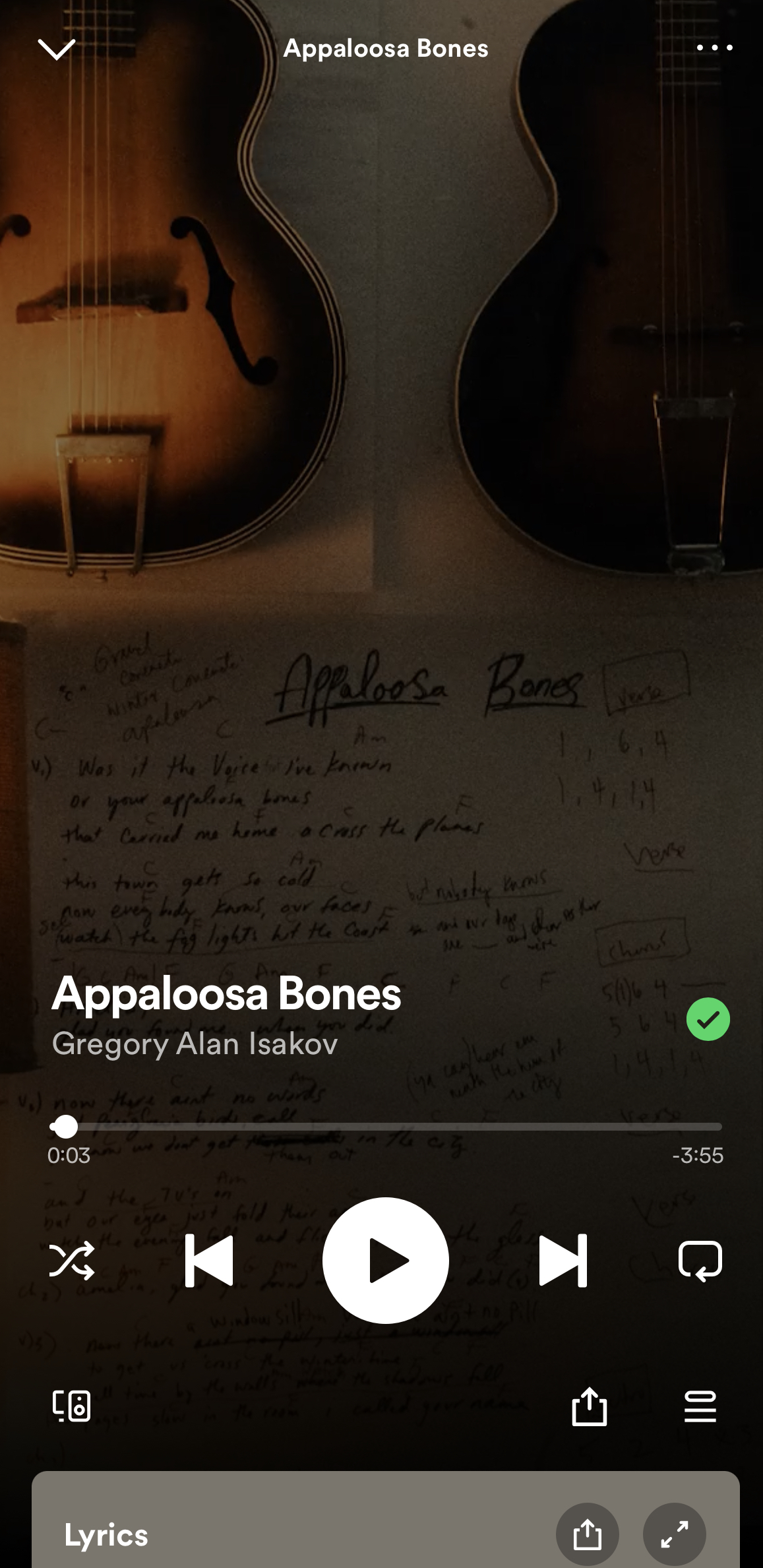
5:50 a.m.: I always listen to Spotify on my drive to work. This morning it was the new album by one of my favorite songwriters, Gregory Alan Isakov.

6 a.m. to 10 a.m.: I am a barista at Starbucks so while I'm working my phone generally isn't nearby and I'm not exposed to much media other than internal communications and corporate announcements. I do however love hearing what customers are listening to in their car in the drive-through.

10:30 a.m.: I often spend my breaks browsing Twitter. On this particular day, I read about players my favorite soccer team, Manchester United, might be buying in the transfer window.

2:00 p.m.: When my shift was over at 2pm I quickly checked my email, Facebook, and Instagram. There wasn't much new so I returned to Spotify to keep me company on the drive home. This time I wasn't in the mood for music so turned on the latest episode of my favorite Podcast, You Made it Weird with Pete Holmes. This episode was an interview with fellow comedian Craig Conant. I enjoy podcasts while driving because they are often light, entertaining, and don't require my full attention.

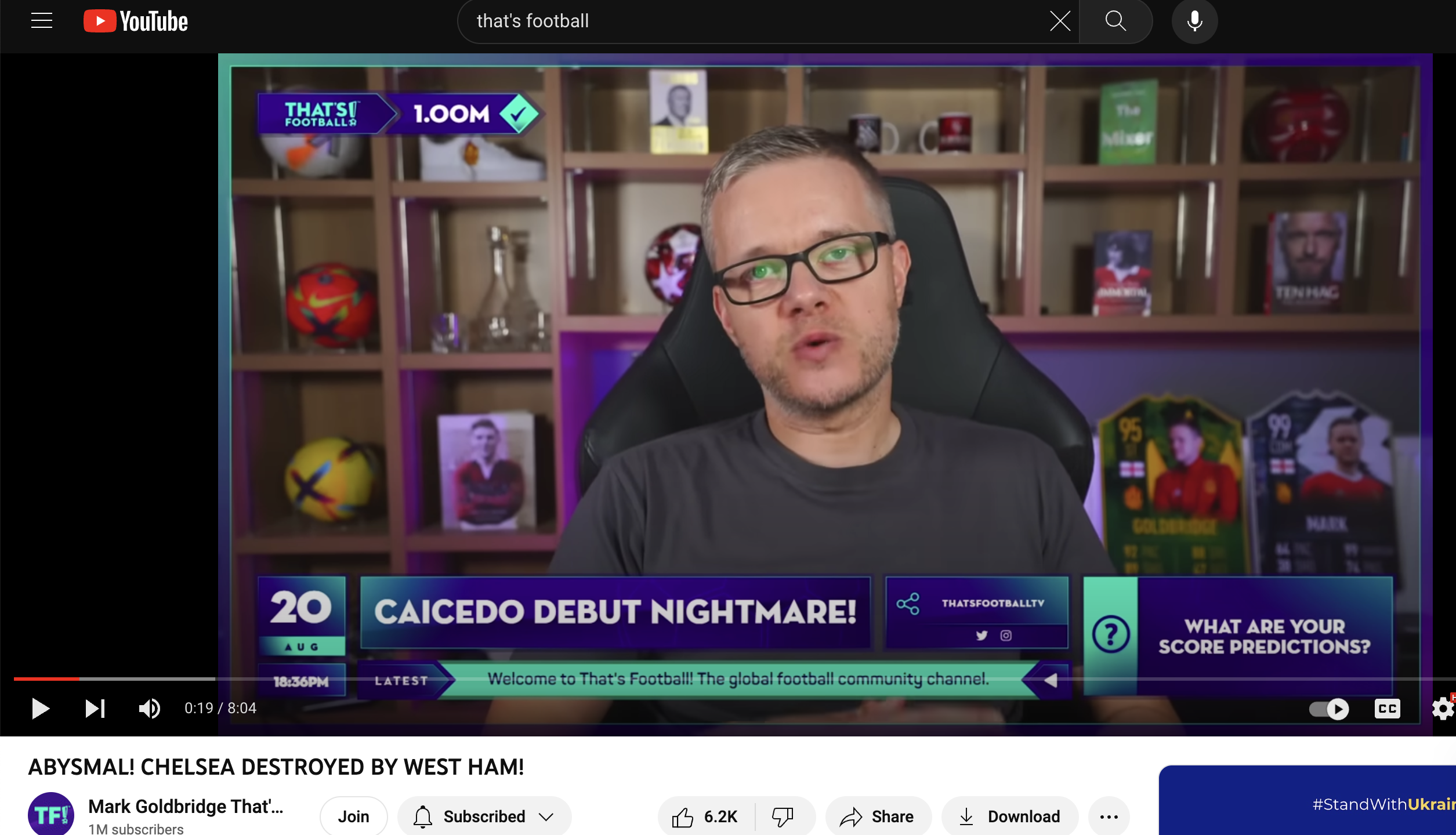
2:30 p.m.: When I get home from work I often prepare a small lunch while watching YouTube. This time I reheated some chicken and rice and watched the channel “Mark Goldbridge That's Football" which is a talk show about soccer. I'm discovering that most of the long-form video and audio content I consume throughout the dya is in the background while I'm doing another activity. 

3:00 p.m.: Perhaps my favorite media tradition is what I have called a TikTok Bath (I have not yet trademarked this) in which I take a bath and watch TikTok videos for 30 minutes or so. This feels like a nice transition point in my day where I take a break and go from working as a barista to studying as a student.

3:30 p.m.: This was the first time I opened my laptop that day. I again checked my emails, texts, and social media pages. I don't like typing messages out on my phone so once I was on the laptop I responded to a couple of emails and replied to my family group chat. Much to the dismay of my mother, I usually only respond to texts once or twice a day. I also visited NPR.org for my daily dose of news. 

3:45 p.m.: This was the first day I started working on my beginner guitar class on Canvas. While doing school work I try to keep all other tabs closed and avoid looking at email or social media. Module one of the class involved a little bit of reading but mostly instructional videos on guitar. 

5:00 p.m.: My brain was finished for the day so I decided to check my email one last time before signing off. I did a quick browse of Facebook and Instagram before shutting my laptop.

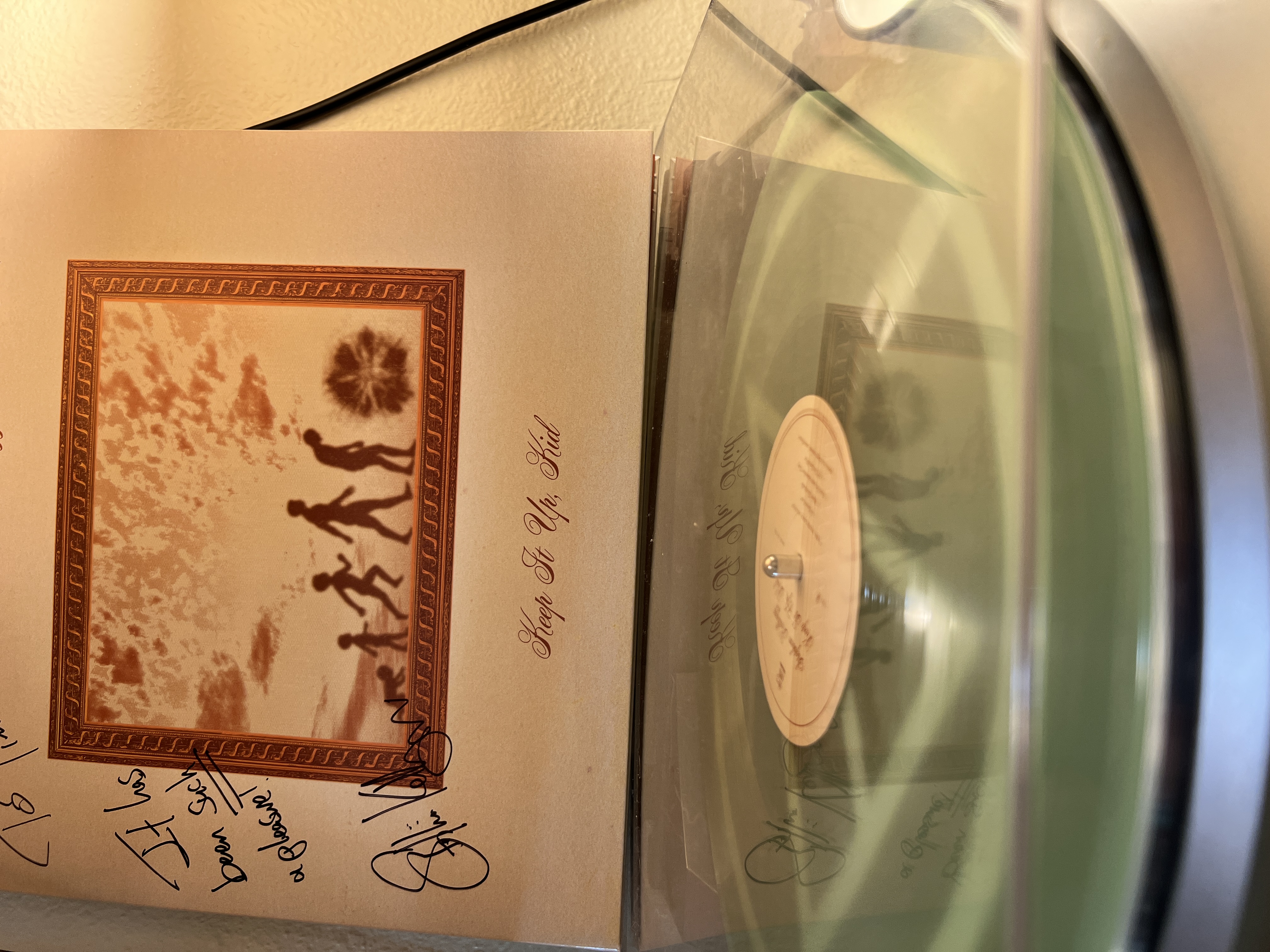
5:30 p.m.: When we are free in the evening, my partner and I love to cook a meal while listening to an album on vinyl. This time we made a greek salad while listening to a new album we got from an artist called Stephen Kellogg. Even though we have access to so much music on Spotify, I love to listen to vinyl because it doesn't involve a screen. I also like that I can't skip songs. It feels like a better way to fully listen to music without being distracted.

6:00 p.m.: On the rare occasion when my partner and I don't enjoy dinner while gazing into each other's candlelit eyes, we eat on the couch while streaming a show. On this night it was the much-anticipated return of one of our favorite shows, Only Murders in the Building on Hulu. Once we were all caught up on Only Murders in the Building we watched a couple of episodes of The Office.

8:00 p.m.: Before bed my partner and I will watch TikTok Videos together. Often times we will send each other videos throughout the day to watch together at night. At some point, I hope I have the strength to turn off all screens for a couple of hours before sleeping. I know it would be better for my health but for the time being we are creatures of habit. 


In reflecting on my media consumption habits, I've stumbled upon a few habits: 

  • I try to limit my time on screens and scrolling my phone with mixed results. I'd like to replace some of the time spent checking social media with time reading a book or playing guitar.
  • Much of the media I consume throughout the day is in the background or while I'm doing something else.
  • The majority of the media I consume is for entertainment purposes. Upon studying the results of this exercise I'd like to add in more informative media to my diet.
  • My media use on this particular day was very consistent with my media use on most other days. I often go to the same type of media while doing the same activity at the same time of day.

As for my most credible media sources…

I usually only check the news once a day and it is usually npr.org. I have a mixed relationship with the news; while I want to be well-informed I know that spending too much time reading the news will bring on anxiety, anger, and other negative emotions. Because of this, I have intentionally decided to check the news once a day. In my experience, NPR seems to be less sensational and more fact than other outlets. It is also what my parents always had on in the car.  

08/23/2023

  • Share
    My Media Use

    Share link